Introduction
Search engines like Google, Bing, and Yahoo help users find information on the internet quickly and accurately. Every day, billions of searches are performed for products, services, news, and answers to questions. Search engines organize and rank billions of web pages so users can find the most relevant information within seconds.
To provide the best results, search engines follow a three-step process: Crawling, Indexing, and Ranking.
How Search Engines Work
The entire system of search engines relies on three primary phases to discover website content and present it to the right users.
1. Crawling
The first step is Crawling. Search engines use automated programs called crawlers, spiders, or bots to discover new and updated web pages.
These bots visit websites by following links from one page to another. As they crawl the web, they collect information about each page, including its content, images, videos, and links.
Example: When a new travel blog is published, Google’s crawler visits the page and reads its content to understand what it is about.
2. Indexing
After crawling a webpage, the next step is indexing. During indexing, the search engine analyzes the page and stores its information in a massive database called the Search Index. It examines factors such as:
- Page title
- Headings
- Keywords
- Images
- Videos
- Meta description
- Internal and external links
- Overall content quality
If a page is valuable and follows search engine guidelines, it is added to the index and becomes eligible to appear in search results.
3. Ranking
The final step is Ranking. When a user enters a search query, the search engine searches its index and ranks the most relevant pages based on hundreds of ranking factors.
Since quality content drives rankings, it helps to read a professional content writing guide.
Some important ranking factors include:
- Content relevance
- Keyword optimization
- Website quality
- Backlinks
- Website speed
- Mobile friendliness
- User experience
- Fresh and updated content
- Website security (HTTPS)
The pages that best match the user’s search intent appear at the top of the Search Engine Results Page (SERP).
Example of How Search Engines Work
Suppose a user searches for “Best Travel Agency in Nepal.” The search engine follows these steps:
- Crawling: Google bots discover travel agency websites.
- Indexing: Google stores information about these websites in its database.
- Ranking: Google compares the indexed websites and displays the most relevant, trustworthy, and optimized websites at the top of the search results.
Why Understanding Search Engines Is Important
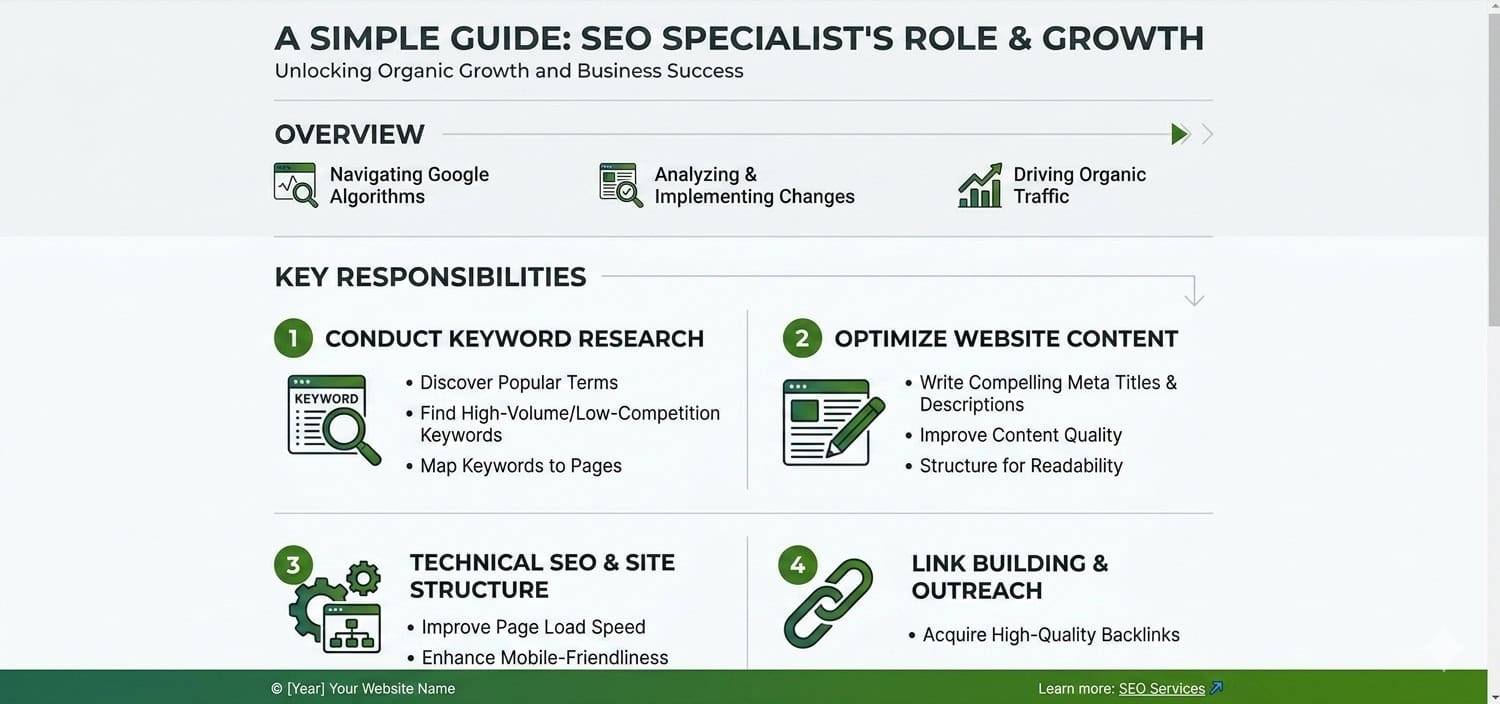
Understanding how search engines work helps website owners and digital marketers improve their websites through SEO. When a website is properly optimized, it has a better chance of ranking higher on Google, attracting more visitors, and increasing business opportunities. Moreover, this knowledge opens up lucrative opportunities for anyone looking to build a stable SEO career.
Tips to Improve Search Engine Rankings
- Publish high-quality and original content.
- Use relevant keywords naturally.
- Optimize page titles and meta descriptions.
- Improve website loading speed.
- Make the website mobile-friendly.
- Build high-quality backlinks.
- Update content regularly.
- Use secure HTTPS connections.
- Improve user experience and website navigation.
- Click here to learn more
Conclusion
Search engines work through three essential processes: Crawling, Indexing, and Ranking. First, search engine bots discover web pages through crawling. Next, they organize and store the information through indexing. Finally, they rank the most relevant and useful pages based on various SEO factors and display them in search results. Understanding how search engines work is essential for anyone interested in SEO, digital marketing, or website management, as it helps improve online visibility, increase organic traffic, and achieve long-term digital success.